
Defining Residential Design Principles: A Guide to Thoughtful Home Building
When it comes to creating a home, the design process is more than just choosing colours and layouts. It’s about crafting a space that feels right, functions well, and stands the test of time. I want to share some key residential design principles that can help you make informed decisions whether you’re building a new home or renovating an existing one. These principles focus on comfort, sustainability, and practicality, ensuring your home is a place you love to live in.
Understanding Residential Design Principles
Residential design principles are the foundation of creating homes that are both beautiful and functional. They guide every decision, from the orientation of the building to the choice of materials. When you understand these principles, you can better communicate your needs and preferences to your builder or designer.
Some of the most important principles include:
Functionality: Your home should work for your lifestyle. Think about how you use each room and what you need from the space.
Sustainability: Incorporating energy-efficient features and sustainable materials helps reduce your environmental impact and can save money in the long run.
Comfort: Good design considers natural light, ventilation, and temperature control to create a comfortable living environment.
Aesthetics: The look and feel of your home should reflect your personal style while fitting into the surrounding environment.
Flexibility: Homes should be adaptable to changing needs, whether that means growing families or evolving work-from-home setups.
By keeping these principles in mind, you can create a home that not only looks great but also supports your daily life.
Key Elements of Residential Design Principles
Let’s dive deeper into some of the elements that make up strong residential design principles. These are practical considerations that can make a big difference in how your home feels and functions.
Site Orientation and Layout
Where your home sits on the block affects everything from natural light to energy efficiency. Ideally, you want to position living areas to face north (in the southern hemisphere) to maximise sunlight during winter and reduce heating costs. Bedrooms might be placed on the cooler side of the house to stay comfortable in summer.
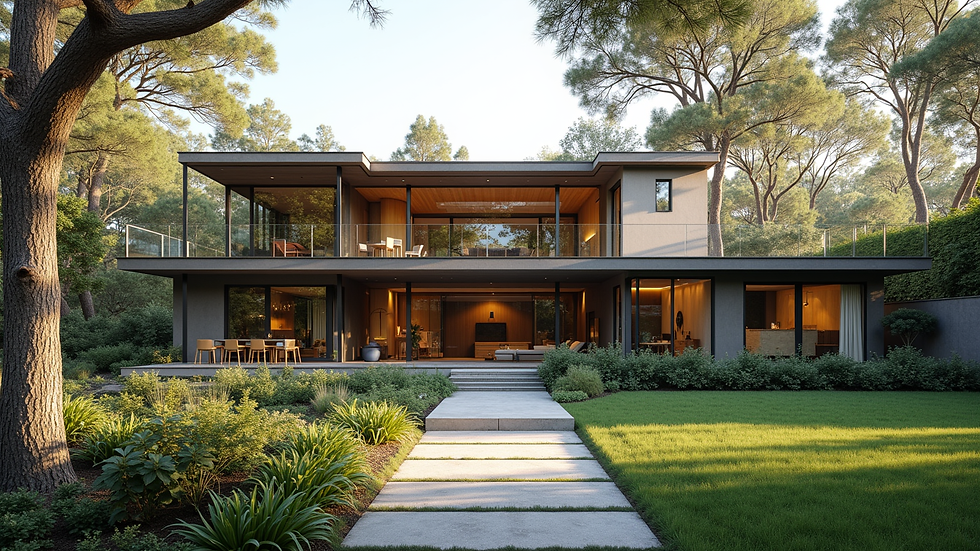
Consider the flow between indoor and outdoor spaces. A well-designed layout connects your living areas to gardens or patios, making your home feel larger and more inviting.
Space Planning and Room Function
Think about how you use each room. Open-plan living areas are popular because they create a sense of space and encourage social interaction. However, some people prefer separate rooms for privacy or noise control.
Plan for storage early on. Built-in cupboards, under-stair storage, and multi-purpose furniture can help keep your home organised and clutter-free.
Material Selection and Sustainability
Choosing the right materials is crucial. Look for options that are durable, low-maintenance, and environmentally friendly. For example, timber from sustainable sources, recycled bricks, or energy-efficient windows can all contribute to a greener home.
Insulation and ventilation also play a big role in sustainability. Proper insulation keeps your home warm in winter and cool in summer, reducing the need for artificial heating and cooling.

Lighting and Ventilation
Natural light improves mood and reduces electricity use. Large windows, skylights, and glass doors can bring in plenty of daylight. At the same time, good ventilation helps maintain air quality and comfort.
Cross-ventilation, where air flows through the home from one side to the other, is an effective way to cool your home naturally. Ceiling fans and strategically placed windows can enhance this effect.
How to Apply Residential Design Principles in Your Project
Applying these principles might seem overwhelming, but breaking the process down into manageable steps can help. Here’s how you can start:
Assess Your Needs: Write down what you want from your home. Consider your family size, hobbies, work needs, and future plans.
Research Local Climate and Environment: Understanding your local weather patterns helps you make smart design choices.
Work with Professionals: Collaborate with architects or building designers who understand residential design principles and local regulations.
Prioritise Sustainability: Ask about energy-efficient options and sustainable materials.
Plan for Flexibility: Design spaces that can adapt to different uses over time.
Remember, your home should be a reflection of you. Don’t hesitate to ask questions and seek advice throughout the process.

Bringing Your Vision to Life with Expert Support
When you’re ready to move forward, partnering with a trusted building design firm can make all the difference. They can help translate your ideas into detailed plans that meet your needs and comply with local building codes.
For those in Albury-Wodonga, working with a local expert means you benefit from their knowledge of the area’s climate, building standards, and community style. This local insight ensures your home is not only beautiful but also practical and sustainable.
If you want to explore how residential building design can transform your project, consider reaching out to professionals who prioritise tailored solutions and a smooth building process.
Designing Homes That Last and Delight
Good residential design is about more than just aesthetics. It’s about creating a home that supports your lifestyle, respects the environment, and adapts to your changing needs. By understanding and applying these design principles, you can make choices that lead to a home you’ll enjoy for years to come.
Whether you’re starting from scratch or renovating, keep these principles in mind. They will guide you toward a home that feels right, works well, and stands strong.
I hope this guide helps you feel more confident as you plan your next home project. Thoughtful design is the key to creating spaces that truly feel like home.


Comments