
Fundamentals of Residential Building Design: Modern Home Architecture Tips
Designing a home is an exciting journey. It’s where your dreams meet reality, and every choice shapes the space you’ll live in for years to come. Whether you’re building from scratch or renovating, understanding the fundamentals of residential building design is key to creating a home that’s not only beautiful but also functional and sustainable. In this post, I’ll walk you through essential concepts and practical tips to help you make informed decisions and bring your vision to life.
Understanding the Basics of Residential Building Design
Before diving into specifics, it’s important to grasp what residential building design really means. It’s the process of planning and creating homes that meet the needs of the people who live in them. This involves everything from the layout and structure to materials, lighting, and energy efficiency.
A well-designed home balances aesthetics with practicality. For example, open-plan living areas can make a small space feel larger and more inviting. Meanwhile, thoughtful placement of windows can maximise natural light and ventilation, reducing energy costs.
When you start thinking about your home, consider these foundational elements:
Site orientation: Position your home to take advantage of sunlight and natural breezes.
Space planning: Arrange rooms logically to support your lifestyle.
Material selection: Choose durable, sustainable materials that suit your climate.
Energy efficiency: Incorporate insulation, solar panels, and efficient appliances.
By focusing on these basics, you set the stage for a home that’s comfortable, cost-effective, and environmentally friendly.
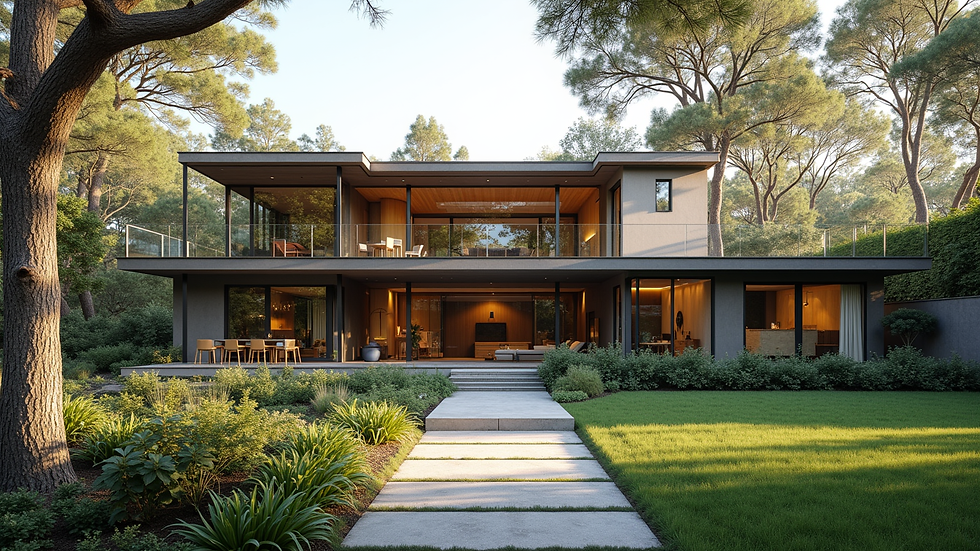
Modern Home Architecture Tips for a Functional and Stylish Home
When it comes to modern home architecture, simplicity and functionality are your best friends. Clean lines, open spaces, and a connection to the outdoors define this style. Here are some tips to help you embrace modern design principles:
Emphasise natural light: Large windows, skylights, and glass doors bring the outside in and create a bright, airy atmosphere.
Use open floor plans: Combining kitchen, dining, and living areas encourages social interaction and flexibility.
Incorporate sustainable features: Think solar panels, rainwater harvesting, and energy-efficient appliances.
Choose neutral colours: Whites, greys, and earth tones create a calm backdrop that highlights architectural details.
Add texture and contrast: Use wood, stone, or metal accents to add warmth and interest.
Remember, modern design is not about following trends blindly. It’s about creating a space that feels right for you and your family. Don’t hesitate to personalise your home with unique touches that reflect your personality.

Key Elements to Consider in Residential Building Design
Every home has unique requirements, but some elements are universally important. Paying attention to these will help you avoid common pitfalls and ensure your home is both beautiful and practical.
Layout and Flow
A good layout supports how you live. Think about how you move through your home daily. For example, placing the kitchen near the dining area makes serving meals easier. Bedrooms should be in quieter zones, away from busy living spaces.
Structural Integrity
Your home needs to be safe and durable. This means working with qualified professionals to ensure foundations, walls, and roofs meet local building codes and standards. In regions like Albury-Wodonga, consider materials and designs that withstand local weather conditions.
Energy Efficiency and Sustainability
Sustainable design isn’t just good for the planet; it saves you money in the long run. Insulation, double-glazed windows, and energy-efficient heating and cooling systems reduce your energy bills. Incorporating solar panels or water-saving fixtures can further enhance sustainability.
Storage Solutions
Adequate storage keeps your home organised and clutter-free. Built-in wardrobes, under-stair storage, and clever cabinetry can maximise space without compromising style.
Outdoor Spaces
Don’t forget the outdoors. A well-designed garden, patio, or balcony extends your living area and connects you with nature. Consider privacy, sun exposure, and landscaping that suits your lifestyle.
How to Collaborate Effectively with Your Building Designer
Working closely with your building designer is crucial to turning your ideas into reality. Here are some tips to make the collaboration smooth and productive:
Communicate clearly: Share your needs, preferences, and budget upfront.
Be open to suggestions: Designers bring expertise that can improve your plans.
Review plans carefully: Ask questions and request changes if something doesn’t feel right.
Stay involved: Regular updates and site visits help you stay on track.
Plan for the future: Think about how your needs might change and discuss flexible design options.
By building a strong partnership, you’ll feel confident throughout the process and end up with a home that truly suits you.
Bringing Your Vision to Life with Confidence
Designing a home is a big step, but it doesn’t have to be overwhelming. By understanding the fundamentals and applying modern home architecture tips, you can create a space that’s both beautiful and functional. Remember, every decision you make shapes your daily life and comfort.
If you want to explore more about residential building design, consider reaching out to professionals who understand your local area and can guide you through every stage. With the right support, your dream home in Albury-Wodonga is well within reach.


Comments