
Balancing Form and Function in Building Design
Updated: Jan 6
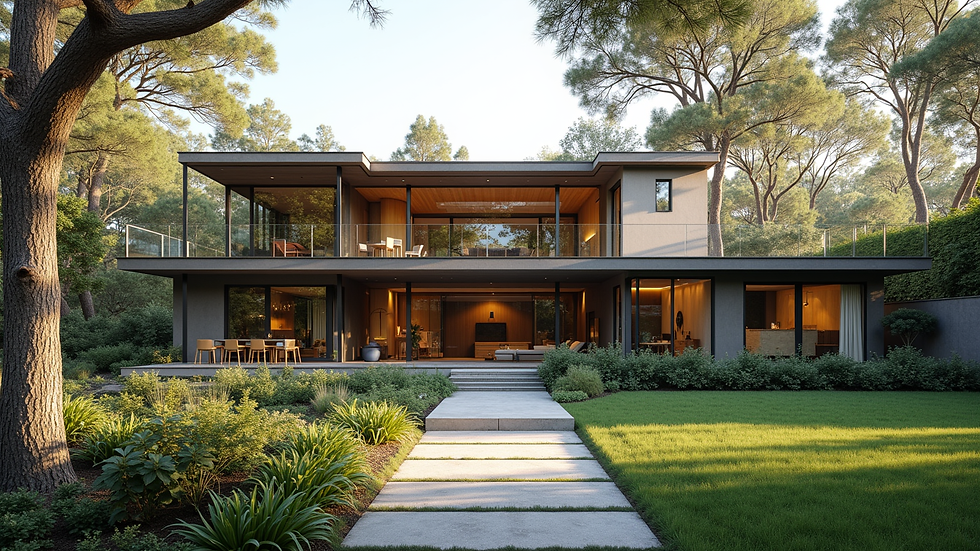
When it comes to building design, whether for homes or commercial spaces, achieving a balance between form and function is crucial. Both elements play a significant role in creating spaces that are not only visually appealing but also highly functional. At Menz Building Design, we believe that successful projects are born out of this balance. We are committed to ensuring that both aesthetics and usability are prioritized in our designs.
The Importance of Aesthetics in Building Design
Aesthetics refer to the visual aspects of a structure, including its style, architecture, and the materials used. An aesthetically pleasing building can enhance the surrounding environment, boost community pride, and even increase property values. For homeowners, a well-designed home that reflects personal style can contribute to improved happiness and comfort.
For commercial clients, attractive buildings can attract customers, create a welcoming atmosphere, and strengthen brand identity. Research has shown that good design can improve customer satisfaction and promote loyalty.

Understanding Functionality in Building Spaces
While aesthetics are important, functionality can't be overlooked. A building must serve its intended purpose efficiently. This includes aspects such as usability, flow, and comfort. For example, in residential homes, open floor plans may facilitate a better flow, making a space feel larger and more inviting.
In commercial buildings, considerations might include layout and accessibility to ensure that employees and clients can move freely and easily. Adequate natural light, climate considerations, and sound insulation are additional factors that contribute to a space's functionality.

The Menz Building Design Approach
At Menz Building Design, we utilize Building Information Modeling (BIM) software to create designs that harmoniously blend beauty and practicality. BIM allows us to visualize projects in a 3D space, helping clients better understand how the completed project will look and function before construction begins.
Through this collaborative approach, we involve clients in the design process, ensuring their needs and preferences are met. Whether you are a homeowner looking to design your dream residence or a developer seeking a commercial building that stands out, our team is committed to delivering a product that aligns with your vision while also adhering to the highest standards of functionality.

Achieving the Right Balance
Striking the right balance between form and function may seem challenging, but it is entirely achievable with thoughtful planning. Here are some actionable recommendations:
Prioritize User Needs: Start by understanding who will use the space. For residential designs, consider the lifestyle of the family. For commercial spaces, analyze the target demographic and how they will interact with the structure.
Incorporate Sustainable Practices: Choose materials and designs that are not only beautiful but also sustainable. This approach enhances aesthetics and can improve energy efficiency and reduce long-term costs.
Focus on Flow and Accessibility: Ensure that the layout promotes easy movement throughout the space. This can include clear pathways, open areas, and appropriate placement of furniture in residential designs.
Leverage Technology: Use tools like BIM to create models that help visualize both the form and function. This can lead to better planning and adjustments before construction.
Seek Professional Guidance: Collaborating with experienced designers can provide insights that you may not have considered. They can guide the balance between artistic vision and practical requirements.
In a world where design trends come and go, the essentials of form and function remain the backbone of successful building projects. Investing time into achieving this balance pays off in the long run.
Designing for Tomorrow
As the building industry evolves, so too must our approach to design. Trends may shift, but the fundamental principles of balancing form and function are timeless. By integrating modern technology, sustainable practices, and user-centered approaches, we can create spaces that will stand the test of time.
At Menz Building Design, we are eager to help you create a space that meets your needs and exceeds your expectations. By embracing a collaborative design process and utilizing cutting-edge technology, we ensure that your vision is realized in a functional and beautiful manner.
Let’s come together to design your future. Reach out to us today and let's get started on a building project that balances form and function seamlessly.
The Future of Building Design
As we look ahead, it’s important to consider how our designs can adapt to changing needs. The future of building design will likely focus on sustainability and resilience. We must create spaces that not only meet current demands but also anticipate future challenges.
Embracing Sustainability
Sustainability is no longer just a trend; it is a necessity. We can incorporate eco-friendly materials, energy-efficient systems, and innovative designs that minimize environmental impact. This commitment not only benefits the planet but also enhances the quality of life for occupants.
Flexibility in Design
Flexibility is another key aspect of future building design. Spaces should be adaptable to various uses over time. This means considering multi-functional areas that can easily transition from one purpose to another. For instance, a home office can also serve as a guest room, or a commercial space can be designed to accommodate different types of businesses.
Technology Integration
Technology will continue to play a significant role in building design. Smart homes and buildings equipped with advanced technology can enhance comfort, security, and energy efficiency. From automated lighting to climate control systems, the integration of technology will create more responsive environments.
Community-Centric Spaces
Finally, the future of building design will prioritize community. Creating spaces that foster connection and collaboration will be essential. This can include communal areas in residential developments or inviting public spaces in commercial designs. By focusing on community, we can enhance social interaction and improve overall well-being.
In conclusion, the journey of building design is an exciting one. At Menz Building Design, we are committed to leading the way in creating spaces that are beautiful, functional, and sustainable. Together, we can shape the future of our built environment, ensuring it meets the needs of today and tomorrow.
Let’s embark on this journey together. Contact us to discuss your vision and how we can bring it to life.


Great article! The focus on balancing form and function is really valuable for creating practical, attractive spaces. It also highlights why quality work like Concrete Repair Sydney matters in durable building design.